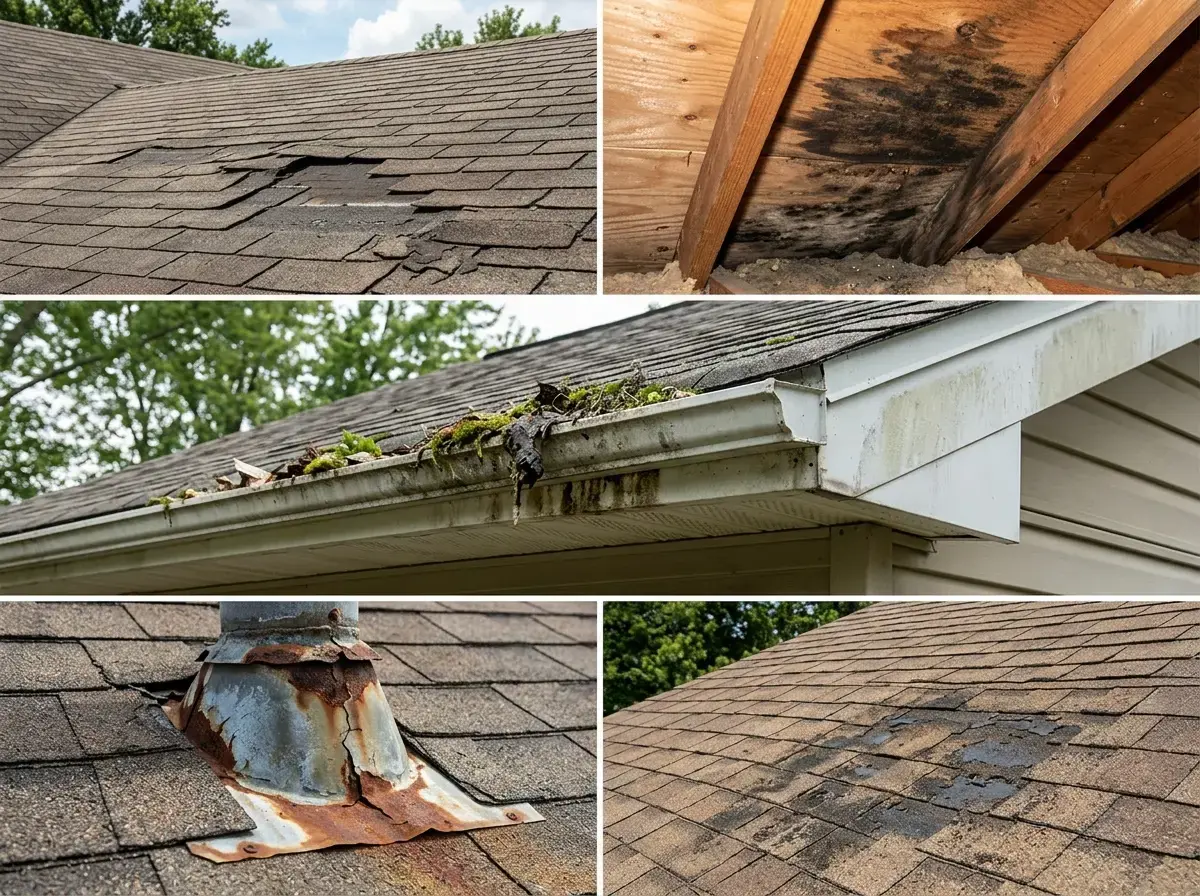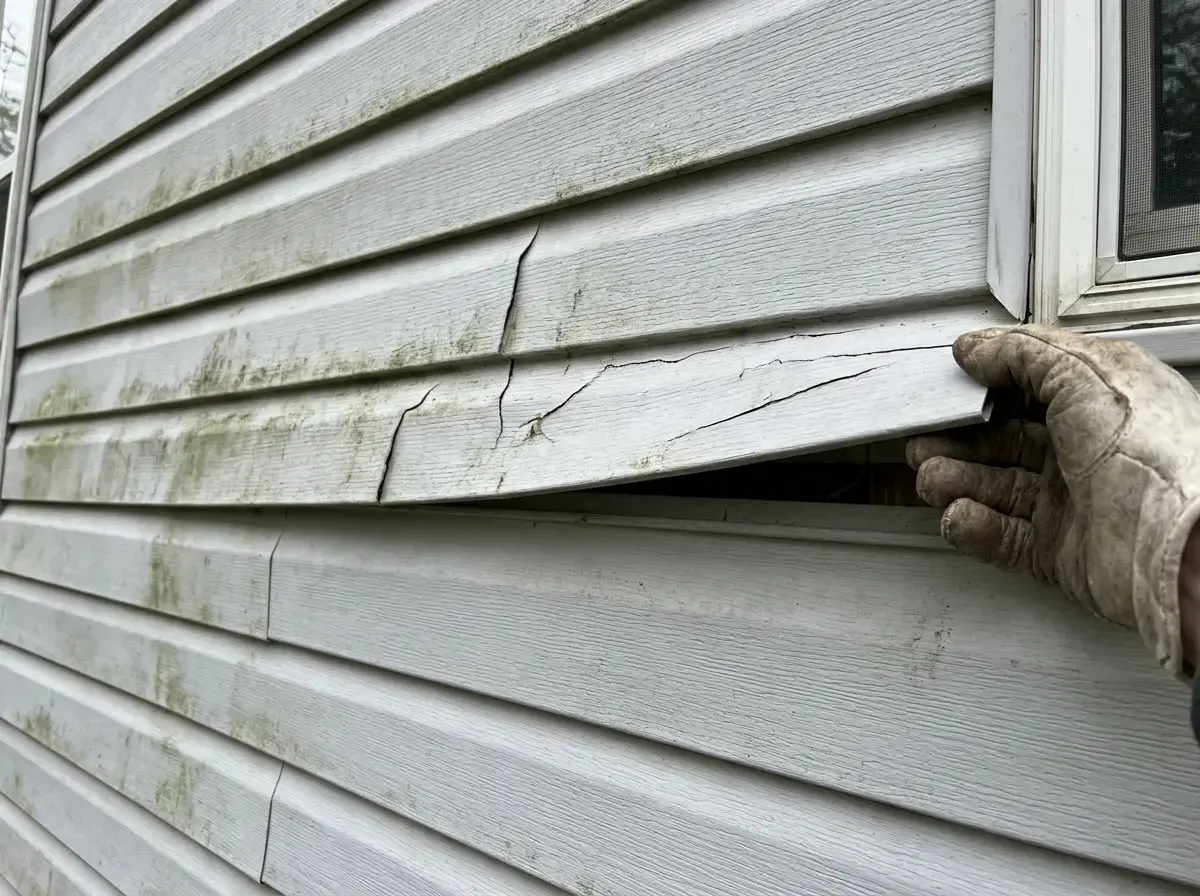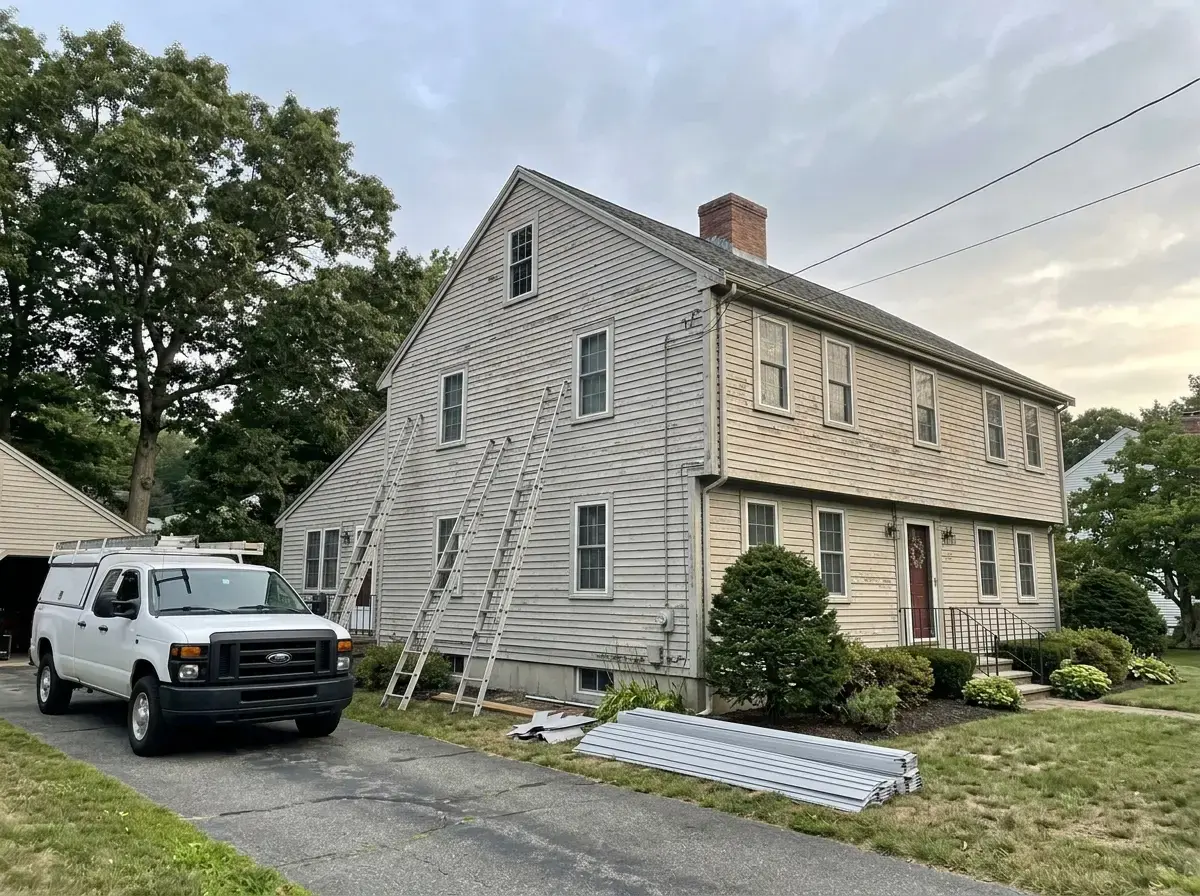
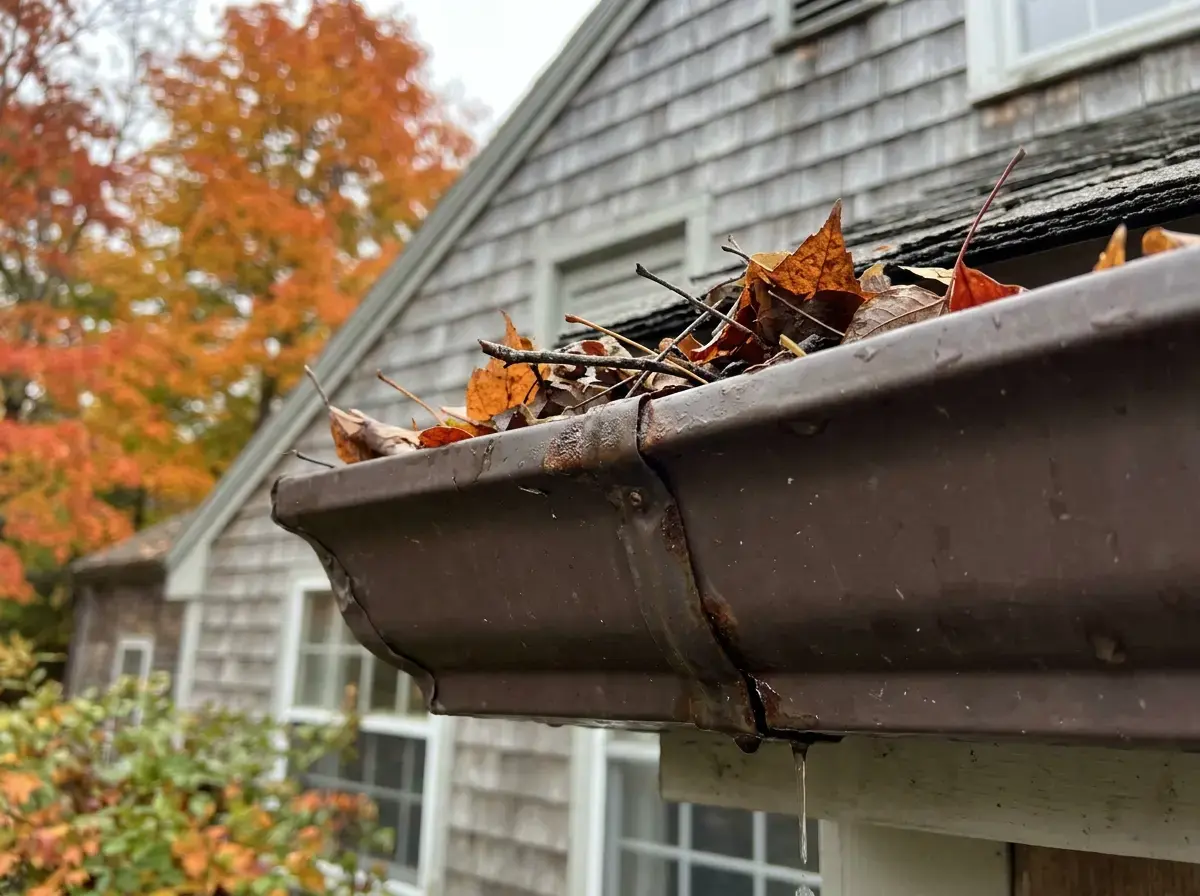
Gutters that survived last winter may not survive the next one. Massachusetts winters create ice loading conditions that destroy aging gutter systems faster than homeowners expect. Snow accumulates on the roof, melts off the warm sections first, runs to the cold gutter at the eave, and refreezes overnight. The expanding ice pulls gutters off fascia, splits seams at corners and end caps, and tears hangers out of the wood underneath. Homeowners who wait until spring to address gutter problems face the consequences of the failure: foundation water, basement leaks, fascia rot, and damage to siding and trim from water pouring off the roof in places where it should not. Twenty five years of gutter work has shown us the warning signs that mean replacement before winter rather than waiting until spring. Here is when to act and what to look for during your fall walkaround of the home.
01Visible Sagging Between Hangers
Walk around your home and look at the gutters from the ground. Healthy gutters maintain a consistent line along the roof eave with slight pitch toward the downspouts. Failing gutters sag visibly between hangers, creating low spots where water pools instead of draining. The sag is usually worse in the middle of long runs where the cumulative weight of water and ice has stressed the hangers. If you can see daylight gaps between the gutter and the fascia where the gutter has pulled away from the home, replacement is urgent. Once the hangers have failed, the next ice loading event will likely tear the gutter completely off the home. Replacement before winter prevents the catastrophic failure that drops gutters onto landscaping and walkways during a winter storm.
02Rust, Corrosion, or Visible Holes
Galvanized steel gutters from the 1970s and 1980s are at the end of their service life on most Massachusetts homes. The galvanizing has worn away, rust has perforated the bottom of the gutter, and water leaks through holes in the seams and corners. Aluminum gutters from later decades show corrosion at fasteners and fading on the painted finish. Both materials need replacement when the metal itself is failing rather than just the hangers loosening. Check the inside of the gutter where you can see it from a ladder. Look for rust streaks running down the exterior surface, holes you can see daylight through, or sections where the bottom has rusted out completely. Material failure means replacement, not repair. Patches do not hold on aging metal.
03Fascia Rot Behind the Gutter Line
The fascia behind aging gutters often shows rot from decades of marginal drainage. Look up at the fascia board between the gutter and the eave. Soft spots, peeling paint, dark staining, or visible rot indicate that water has been getting behind the gutter for years. Replacing the gutter alone does not fix this. The fascia needs replacement before the new gutter goes up. We pull the existing gutter, replace rotted fascia with new wood or PVC trim, install proper flashing, and reinstall with hidden bracket hangers. Doing this work before winter prevents the freeze thaw cycle from making the rot worse and avoids the spring repair scope expansion when soft fascia leads to gutter failure during the next ice storm event.
04Foundation Water and Basement Leaks
Failing gutters dump water against the foundation instead of channeling it away. The water saturates the soil around the foundation, finds cracks in the basement wall, and ends up inside the home. Massachusetts homes with stone or brick foundations are particularly vulnerable because the materials are more porous than modern poured concrete. If you have noticed basement dampness, water stains on basement walls, or actual standing water during heavy rain events, the gutter system is part of the problem. Replacing failing gutters with proper extension to move water at least six feet away from the foundation, plus splash blocks or underground PVC drainage, significantly reduces basement water issues. Doing this work before winter prevents ice expansion against the foundation that worsens existing cracks.
FAQFrequently Asked Questions
When should I have my gutters inspected before winter?
Late September through early November is the ideal window for gutter inspection and any necessary replacement. The inspection identifies problems before snow falls. Replacement work proceeds while temperatures still allow proper installation of caulks and sealants. Waiting until December often means delaying repairs until spring after winter damage has expanded.
Can gutters be installed in winter in Massachusetts?
Some installation work happens in winter on emergency replacements after winter damage. Cold weather below freezing affects caulk performance and panel handling. We schedule gutter projects from April through November for reliable conditions and faster completion. Winter installations on damaged gutters proceed with weather contingency planning when needed.
How long does gutter replacement take?
A typical Massachusetts single family runs one to two days for full gutter replacement. Larger homes with extensive runs and three story drops on multi family homes take two to four days. The work includes removing old gutters, replacing rotted fascia where needed, installing new seamless gutters, and connecting downspouts to drainage.
Should I install gutter guards at the same time?
Gutter guards make sense on properties with mature tree coverage where leaves clog gutters multiple times per season. Quality micromesh guards reduce cleaning frequency significantly. We discuss guard options during the estimate based on your tree coverage and maintenance preferences. Guards add cost upfront but reduce maintenance over the gutter's service life.
How long do new gutters last in Massachusetts?
Quality seamless aluminum gutters last twenty five to thirty years with proper installation and regular cleaning. Copper gutters last fifty to one hundred years on quality installations. Vinyl gutters offer shorter service life of fifteen to twenty years and are not our recommended choice for Massachusetts homes that face ice loading conditions.